
In accordance with Title I of the ADA, Rice University provides reasonable accommodations to support qualified individuals with disabilities throughout their careers.
What Is a Reasonable Accommodation?
A reasonable accommodation is any modification or adjustment to a job, work environment, or the application process that enables a qualified employee or applicant with a disability to apply for a job, perform essential job functions, or enjoy equal employment benefits and privileges.
Examples of accommodations include, but are not limited to:
- Workplace & Equipment Adjustments: Height-adjustable desks, ergonomic equipment, screen reading or speech-to-text software, specialized headsets, or modified lighting.
- Schedule Flexibility: Modified start/end times, flexible break schedules to attend medical appointments, or part-time work arrangements.
- Remote Work or Unpaid Leave: Flexible remote work options or extended leave for medical treatment beyond standard policies.
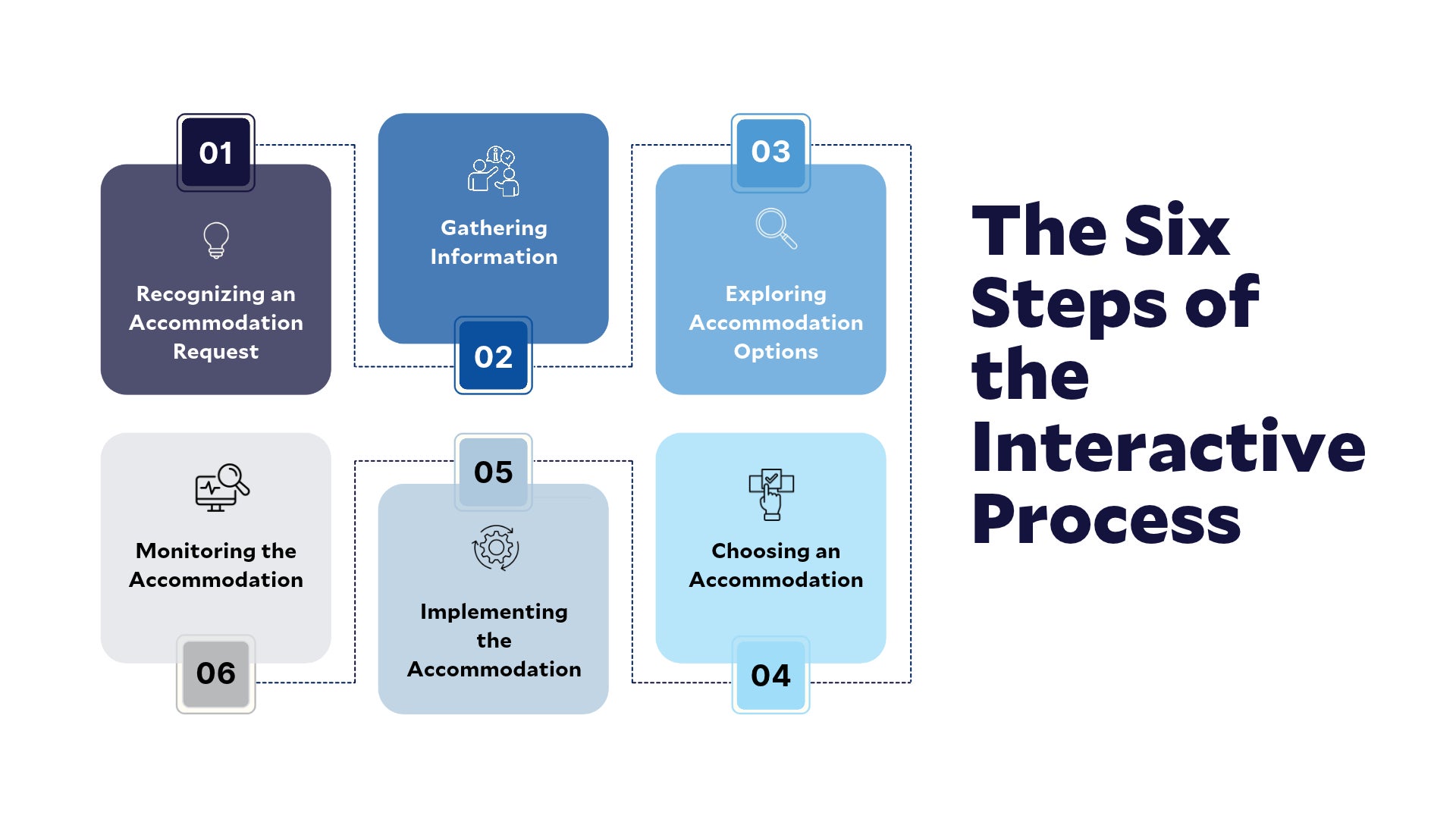
Accommodation Request & Interactive Process
Step 1: Submitting a Request.
Requests may be initiated verbally or in writing by an employee, applicant, or designated representative. No formal legal jargon or mention of "the ADA" is required to begin this process.
- Intake Form: Submit request via https://adaassist.unum.com.
- If you are unable to sign up, please contact facstaffada@rice.edu.
Step 2: Medical Documentation (If Required)
If your disability or the need for accommodation is not obvious, HR may request medical documentation from your healthcare provider. Documentation requests will strictly focus on your functional limitations and how they relate to essential job duties.
This comprehensive guide outlines the information needed to complete the file. Feel free to share this guide with your medical provider to ensure all supporting documents are provided.
Steps 3 and 4: The Interactive Dialogue.
Upon receiving a request, HR will schedule an initial discussion with you within 3–5 business days. The goal of this meeting is to:
- Review your core job duties and work environment.
- Identify specific functional limitations impacting your work.
- Brainstorm effective accommodation options.
Steps 5 and 6: Final Determination & Delivery
HR will evaluate the options and issue a written decision. While Rice considers an employee’s preferred accommodation, it reserves the right to select any effective alternative solution that removes the workplace barrier.
Confidentiality & Non-Retaliation Policy
Strict Confidentiality: All medical information, documentation, and accommodation requests are kept strictly confidential. Medical records are maintained in secure, separate files from standard personnel files and are shared only on a strict need-to-know basis.
Protection Against Retaliation: Rice University strictly prohibits retaliation, harassment, or adverse action against any employee for requesting an accommodation, participating in the interactive process, or exercising rights under the ADA.
Staff and Faculty ADA FAQ's
- What is the ADA interactive process?
-
It is an ongoing, informal dialogue between you, the ADA specialist, and your department. When you request a workplace change because of a medical condition, the interactive process involves discussing your job duties, specific limitations, and potential workplace solutions (accommodations).
- Who initiates the interactive process?
-
Usually, you (the employee) start the process by letting your supervisor or HR know that you need a work adjustment due to a medical condition. You do not need to use special legal terms or mention the ADA—simply stating that a health issue is making it hard to do your job is enough.
- What medical information can my employer ask for?
-
If your disability or need for accommodation is not obvious, HR may request reasonable documentation from a healthcare provider. This documentation should explain:
- The nature of your impairment.
- How it affects your ability to perform essential job functions.
- Suggested accommodations.
Note: HR cannot request your entire medical history or any unrelated health records. Medical information must be kept confidential and stored separately from standard personnel files.
- Does my employer have to give me the exact accommodation I ask for?
-
No. We are required to provide an effective accommodation, but not necessarily your preferred one. If two different options work equally well, we can choose the one that is easier or less costly to implement.
- How long should the interactive process take?
-
There is no fixed statutory deadline under the ADA. Simple requests (like an ergonomic chair) can be resolved in a single conversation, while complex modifications may take a few weeks to gather medical guidance or evaluate tools.
- What if the accommodation stops working after a few months?
-
The interactive process is ongoing, not a one-time event. If a medical condition changes or an accommodation proves ineffective over time, either party can reopen the dialogue to modify or adjust the arrangement.
- Are there any other external resources?
-
External Resources:
Job Accommodation Network (JAN): A free, confidential guidance service provided by the U.S. Department of Labor (askjan.org).
U.S. Equal Employment Opportunity Commission (EEOC): For guidance on federal employment non-discrimination laws (eeoc.gov).